Review: Rehearsal for Murder at the Orchard Theatre

After ten years producing classic thrillers from the pen of Agatha Christie, Bill Kenwright has taken a (slightly) new direction. Rehearsal for Murder is the first production from The Classic Thriller Theatre Company; written by Murder She Wrote’s Richard Levinson and William Link, and adapted for the stage by David Rogers, there’s nonetheless a distinctly Christie-esque quality to this story of love, murder and revenge.
rehearsal-for-murder-grimsby-auditorium

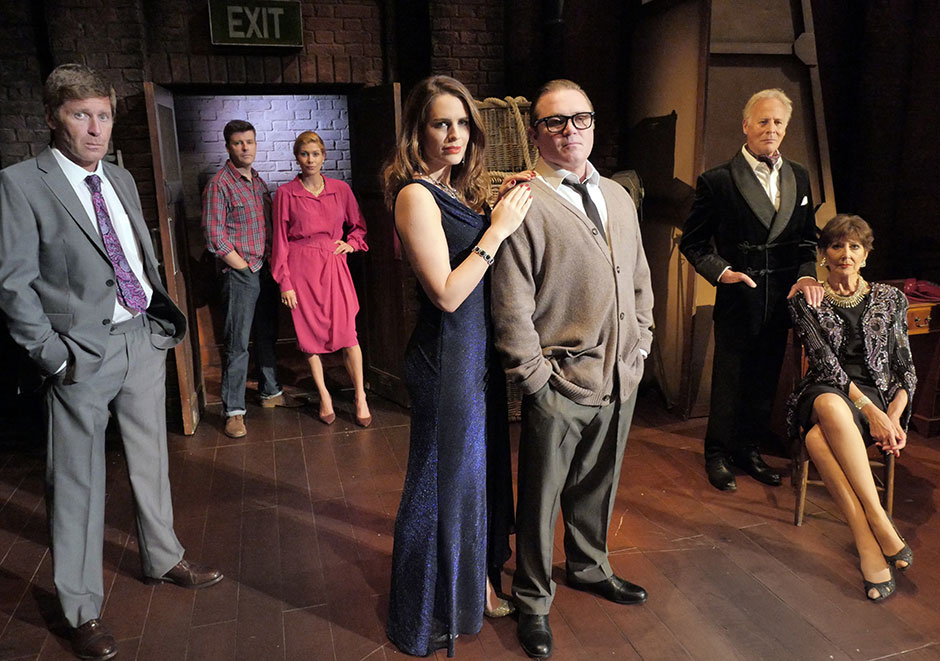
Playwright Alex Dennison (Alex Ferns) has started work on a new script, and gathers together his old cast, director and producer for a rehearsal. Not by coincidence, this reunion happens to take place exactly one year after Alex’s fiancée, the beautiful movie star Monica Welles (Susie Amy), fell to her death in an apparent suicide. And it soon becomes clear to the assembled group that Alex has a very specific reason for bringing them all back together; despite all the evidence to the contrary, he believes Monica was murdered – but by who…?

There’s a defined formula to this kind of mystery: a cast of suspects, each with a clear – if not always entirely imaginative – motive for the crime; a suitably spooky location (this particular story takes place in an empty theatre) from which nobody’s easily able to escape; a few red herrings; and, of course, a twist in the tale before the murderer is finally revealed. It’s also not uncommon for the first act to involve a lot of talking and not much in the way of action, as motives are established and clues worked in so as to give the audience a fighting chance of figuring out the mystery. Rehearsal for Murder is no exception. After a relatively slow start, the action kicks off in dramatic fashion in Act 2, culminating in an unexpected turn of events which, like all good twists, is only predictable with the benefit of hindsight.

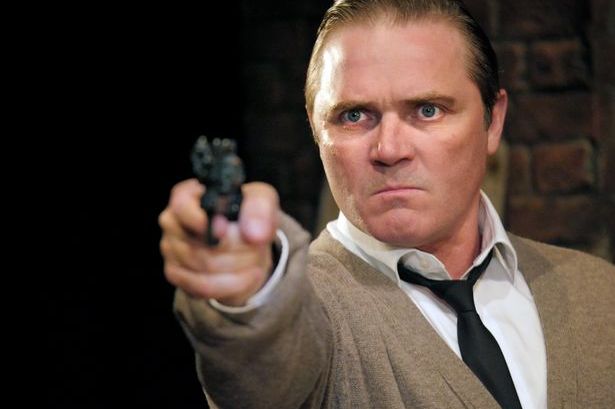
Ex-Eastenders villain Alex Ferns is the heartbroken playwright; although clearly slightly unhinged, his desperation to solve the mystery of his fiancée’s death is heartfelt and it’s hard not to cheer him on in his pursuit of justice, even when he starts waving a gun about (because of course, there had to be a gun). Ferns is joined by a cast of familiar faces from TV and film, including Peak Practice actor Gary Mavers, Carry On star Anita Harris, and veteran of the Agatha Christie Theatre Company, Ben Nealon, as a variety of theatrical ‘types’ – each of them with something to hide.
rehearsal-for-murder

Rehearsal for Murder is at once comfortingly familiar and yet still original enough to surprise, with a liberal sprinkling of theatre-related humour, thanks to the choice of setting. At times the pace is a little more gentle than it needs to be, and the story does sometimes feel a bit thin – but that comes with the territory, like the way everyone knows Hercule Poirot’s a famous detective, yet they always choose to commit murder when he happens to be visiting, then seem surprised when he solves the crime. Formulaic it may be, but fans of classic murder mystery won’t be disappointed in this enjoyable and cleverly staged thriller.

Rehearsal for Murder is at the Orchard Theatre until 24th September.

Review: Macbeth at New Wimbledon Studio

Macbeth: the story of a man driven by personal ambition to destroy his friend and leader, and seize the crown for himself. Sweeping aside anyone who gets in his way, he ultimately leads his nation into civil war…

There could not have been a more pertinent day to see Arrows & Traps’ production of Macbeth at New Wimbledon Studio. Macbeth isn’t an easy watch at the best of times, but the events of the previous 24 hours lent last night’s performance an extra intensity that nobody could have foreseen, and took Ross McGregor’s adaptation from pretty dark to full-blown horror. (A brief addition to the script referencing the shock EU referendum result met with a split second of laughter, until we all remembered it was based in reality, and not actually very funny.)

Photo credit: Davor Tovarlaza

The irony of Shakespeare’s play is that Macbeth isn’t a totally bad guy (though not a particularly nice one either, obviously) but rather someone who allows himself to be led onto a dark path and discovers too late there’s no way back. As Macbeth and his wife, David Paisley and Cornelia Baumann are genuinely frightening – he’s full of violence and rage, while she’s cold and calculating, and together they spin a web of lies and commit crimes that are increasingly bloody and shocking. And yet the revulsion we feel is not without more than a hint of sympathy; both characters ultimately break under the weight of their guilt, and their passionate relationship of the opening scenes disintegrates into one of tension, fear and suspicion. It’s in these moments of vulnerability that Paisley and Baumann are at their most compelling; the pain they feel is palpable and devastating to witness.

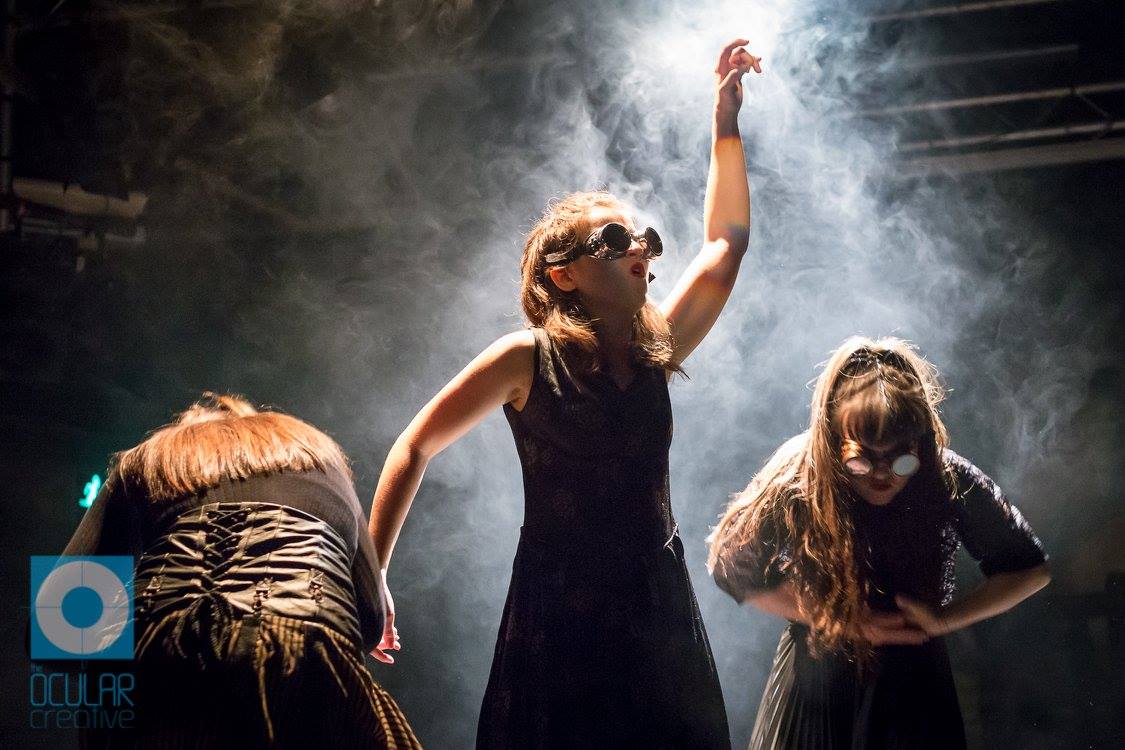
It’s not just the Macbeths that are out to scare us, though; McGregor wanted his Macbeth to be one that’s all about fear, and he’s got his wish. The three witches, played by Elle Banstead-Salim, Olivia Stott and Monique Williams, are part-demon, part-seductress, and their regular appearances on stage throughout the play remind us who’s really in control of events. There’s no shortage of blood and gore from the start, and a few jumpy moments just to keep us on the edge of our seats. And then there’s Banquo’s ghost…

Photo credit: Davor Tovarlaza

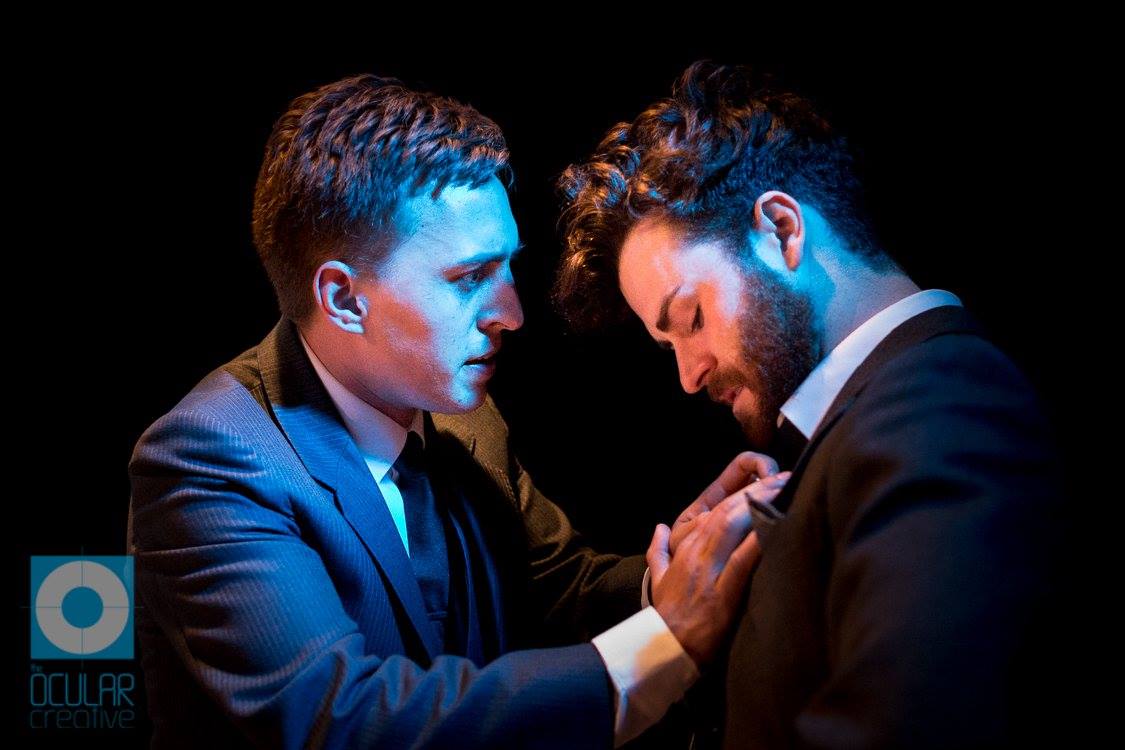
In the kind of original twist that we’ve come to expect from Arrows & Traps, in this production almost all Macbeth’s victims are female – most notably Duncan (Jean Apps) and Banquo (Becky Black) – as are his hired assassins. Seeing this violence both from and against women is a shock to the audience, hammering home the depths to which Macbeth is driven in his thirst for power. And it puts a fresh perspective on the relationships in the play – both Duncan and Banquo are loving mothers who share tender moments with their sons, while we’re also led to wonder about the exact nature of Macbeth’s friendship with Banquo as the play begins.

Like the company’s previous production, Anna Karenina, the show’s a visual feast; there’s smoke and blood galore, and some intense physical scenes from fight director Alex Payne. The climactic scene of Macbeth’s death is particularly stunning, with choreography, movement and music coming together to turn a moment of violence into something quite beautiful from which it’s impossible to look away.

The set is simple – just a table at the centre of the stage – and without the need for elaborate set changes, the production moves along at a rapid pace. The overlapping of some moments is particularly effective, as is the use of freeze frame during the dinner scene, contrasting Macbeth’s dark intentions with the merriment of his guests. And music is used to great effect to add drama, giving the play a very cinematic feel that seems to extend far beyond the theatre’s small stage.

Photo credit: Davor Tovarlaza

This is the third Arrows & Traps production I’ve seen, and each time I’m surprised and delighted by their unique, inventive take on classic works. Their Macbeth is a political and supernatural thriller that’s as gripping as any episode of Game of Thrones (the body count is about the same, too), and reminds us once again of Shakespeare’s continuing relevance 500 years after his death. As depressing as that relevance may occasionally be.


Can’t see the map on iPhone? Try turning your phone to landscape and that should sort it. I don’t know why but I’m working on it… 😉

2015 theatre highlights

Yes, I’m officially jumping on the top 10 bandwagon. It had to be done. Like everyone else, I’ve thought long and hard about my choices – and given that I lost count a long time ago of the number of shows I’ve seen this year, it hasn’t been easy.

And here they are – but first, a quick disclaimer. These are ten shows that have meant a lot to me personally, for whatever reason. They might not be the biggest, or the best from a critic’s perspective… but that’s probably because I’m not a critic. I’m just a theatre fan who enjoys writing about it afterwards.

Oh, and they’re in no particular order. Just choosing ten was hard enough – if I had to put them in order too, we’d be here till 2017.

So here goes:

Beans on Toast (Patch of Blue)

My introduction to Patch of Blue came at the Wimbledon Illuminate Festival; I was sold instantly on the promise of lamplight and folk music, and I wasn’t disappointed. The story of a couple like any other couple is so totally human and relatable that the characters begin to feel like your friends, and you feel every up and down in their relationship along with them.

Beans on Toast review for London Theatre 1

Kinky Boots

I haven’t seen the movie of Kinky Boots, and didn’t really know anything about it apart from it had drag queens in it – but I soon fell head over heels for this irresistible, feel-good musical with some catchy tunes from Cyndi Lauper. It might not be highbrow but it is ridiculously good fun, and sometimes that’s really all you need from a night at the theatre.

Kinky Boots review for London Theatre Direct

In The Heights

Lively, colourful and so full of energy it’s a wonder the roof stays on. In The Heights follows the hopes, fears, loves and losses of a close-knit Hispanic community in Washington Heights over three scorching summer days. With a great story, memorable characters and some spectacular dance numbers, In The Heights is an irresistible joy to watch.

In The Heights review for Carn’s Theatre Passion

Skin in Flames (stonecrabs theatre)

The best-known work by Spanish playwright Guillem Clua, this incredibly tense political thriller sees a photojournalist returning for the first time to the war-torn country where he took his most famous picture. It’s an ingeniously crafted piece and a gripping drama, but also leaves the audience with some serious questions about moral responsibility.

Also, Skin in Flames was the first time I saw a quote from my review on the wall, so it will always be special to me for that reason 🙂

Skin in Flames

Skin in Flames review for London Theatre 1

Consolation (Théâtre volière)

An unexpected delight, about two lost souls who find consolation in their mutual friendship. Nothing about this play is predictable; set in France, it tells the unlikely story of a woman convinced she was a Cathar heretic in a former life, and a young re-enactor at the local museum. As they both try to make sense of their lives, the results are at times funny, at others moving, but always fascinating to watch.

Consolation review for London Theatre 1

The Scottsboro Boys (Garrick Theatre)

The Scottsboro Boys, a musical by Kander and Ebb, is based on the true story of nine black teenagers convicted of rape in 1930s Alabama. The show starts out fun and light-hearted, but soon takes a more sinister turn as the boys’ situation worsens. This deeply moving and chilling tale of injustice is one that stays with you long after you’ve left the theatre.

The Scottsboro Boys review for London Theatre Direct

And Then Come The Nightjars (Theatre503)

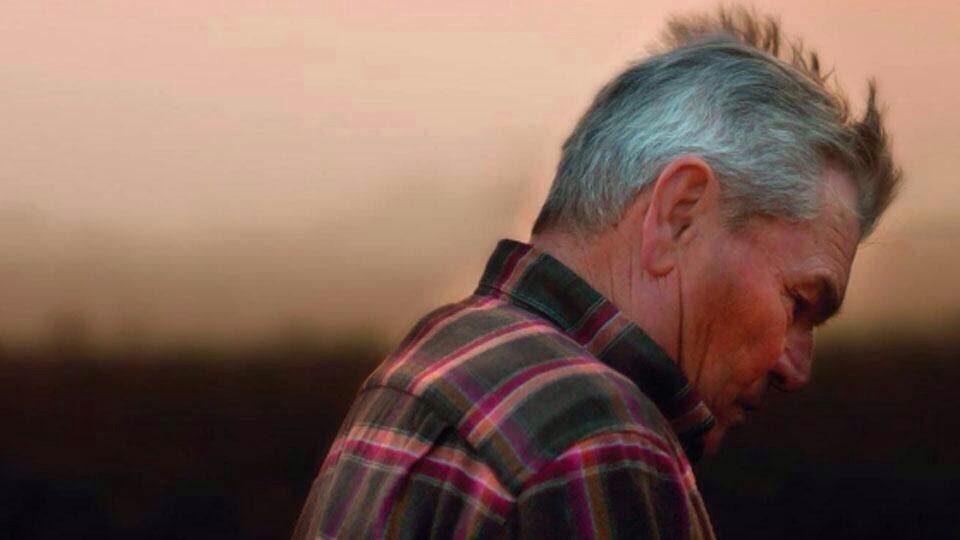
Set during Britain’s foot and mouth crisis of 2001, Bea Roberts’ rural drama is a touching exploration of the friendship between a gruff Devon farmer and the local vet. It might not sound like a laugh a minute, but the chalk and cheese relationship between the two is unexpectedly funny and uplifting, with some truly moving performances.

And Then Come The Nightjars review

IMG_5437-0

 The Nether

Note to self: make sure you know what a play’s about before you go and see it… The Nether is a very disturbing story that messes with your head, set in a not-too-distant future, in which humans can live in a completely virtual world. The play poses some difficult questions – most notably, if you do something bad in the Nether but not in the real world, are you still guilty? Not one for the faint-hearted, but worth seeing for Es Devlin’s spectacular set alone.

The Nether review for London Theatre Direct

To Kill a Mockingbird

I missed this production at Regents Park Open Air Theatre, so when it transferred to the Barbican after a nationwide tour, I jumped at the chance to see it. Starring Robert Sean Leonard as Atticus Finch, and some of the best child actors I’ve ever seen, this play is a loving homage to the novel that inspired it; I’m so glad I got a second chance to see it.

To Kill a Mockingbird review

The Forbidden (Doll’s Eye Theatre)

This play still makes me shudder a little bit; it’s that unsettling. The Forbidden is a gripping story about four former school friends with a dark secret, which takes great delight in wrong-footing its audience with its twists and turns. But it’s also a startlingly accurate depiction of the way teenage girls interact… and it also ruined 5ive for me forever. But that’s okay.

The Forbidden review for London Theatre 1

A few honourable mentions, because I can’t help myself: Cyprus Sunsets, So It Goes, Blood Brothers, Rotterdam, The Railway Children, Proof and The State vs John Hayes. I’d better stop there or this bit could go on all day…

What were your theatre highlights this year?

Happy New  Year – here’s to more great theatre in 2016!

Review: An Inspector Calls at the Orchard Theatre

If there’s a more timely production touring the UK right now than An Inspector Calls, I don’t know what it is. J B Priestley’s 1945 play is a well-known story, studied by many of us as a school text – and yet it’s anything but academic, particularly in today’s political climate, where the question of social conscience and collective responsibility is a topic of daily conversation.

Stephen Daldry’s award-winning production, first performed in 1992 and now in its 25th tour, takes us immediately out of the Birlings’ lavish dining room and into the streets of Brumley, where children play in the rain until they’re shooed away by the family’s maid, Edna. As the prosperous family sit down to celebrate the engagement of their daughter, Sheila, in high spirits and confident that all’s right with the world, a mysterious figure appears, and stands, motionless, in the street outside. This is Inspector Goole, who will, over the course of one evening, force each member of the family to confess their part in the downfall of a young woman, Eva Smith, who’s just drunk disinfectant and died horribly in the local infirmary.

But this is a story – and a production – that’s about far more than one family, or one unfortunate young woman. Ian MacNeil’s incredible set establishes the enormous distance between the Birlings and the rest of society, with the opening scenes taking place behind closed doors as we, along with the children, stay locked firmly outside. Gradually, though, the Birlings are drawn out of their home and into the cold, wet street, to answer for their actions in a court, not of law, but of social conscience. And in turn, the play forces us as audience members to consider the impact of what we do on those around us, and the need to look out for each other as fellow human beings, no matter who we are or what our background is.

An Inspector Calls

In this particular revival of Daldry’s production, Liam Brennan leads the cast with ease; his Inspector Goole is a quietly imposing figure, prone to occasional bursts of passion that are all the more effective for their rarity. Tim Woodward is full of bluff and bluster as businessman and patriarch Arthur, as he tries to justify his actions, while Caroline Wildi is brilliantly despicable as his wife Sybil, the only member of the family who appears to feel no remorse at all for her part in Eva Smith’s death.

As the family’s world begins to crumble around them, there are a few moments that do feel unnecessarily hysterical – including one particularly memorable incident in which Arthur screams in the Inspector’s face for no obvious reason (nearly giving the lady next to me a heart attack in the process). And Sheila’s horrified reaction to the photograph of Eva Smith, which sees her collapse in a muddy puddle before running, screaming, from the stage, feels a shade too dramatic to be believable.

But these moments are rare, and easily upstaged by some hugely powerful scenes – not least the moment that a crowd of silent onlookers appears out of the mist to hold the family to account, while the Inspector makes his final, desperate appeal, to us as an audience, and to society as a whole.

An Inspector Calls

70 years after it was first performed in Moscow, An Inspector Calls is as relevant as it’s ever been. By choosing not to set the play in the Birlings’ safe, contained dining room, but forcing them instead to confront the real world they’re used to looking down on with disdain, Stephen Daldry cuts straight to the heart of Priestley’s political message. And it’s a message that will – and should – stay with us long after we leave the theatre and go back to our lives:

“We don’t live alone. We are members of one body. We are responsible for each other.”

An Inspector Calls is at the Orchard Theatre until 19th September.

Review: Dead Simple at the Marlowe Theatre

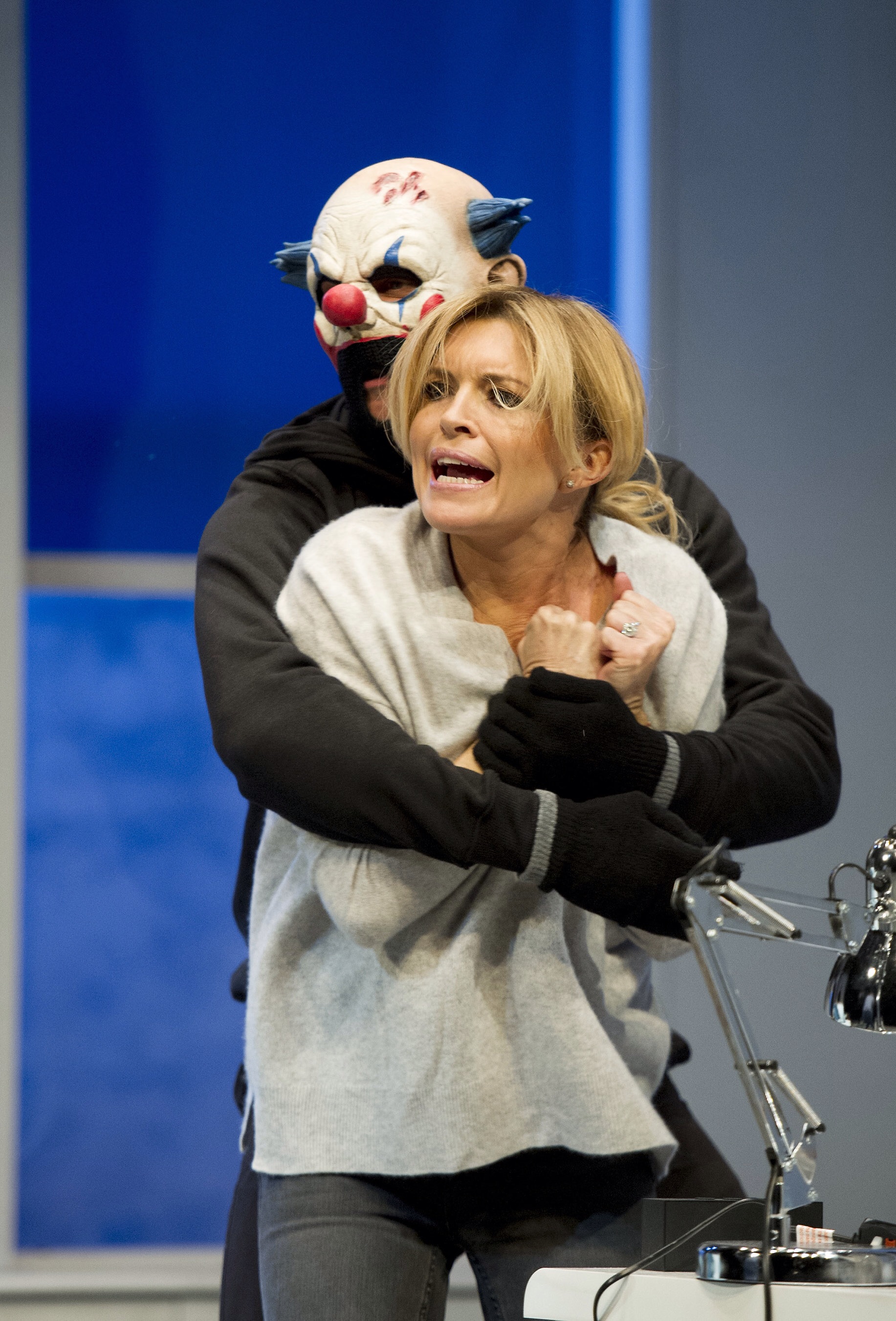
Before I start, a quick health warning: this may not be the play for you if you have a fear of small spaces. Or blood. Or clowns. Or… Oh. I think that’s everything. Moving on…

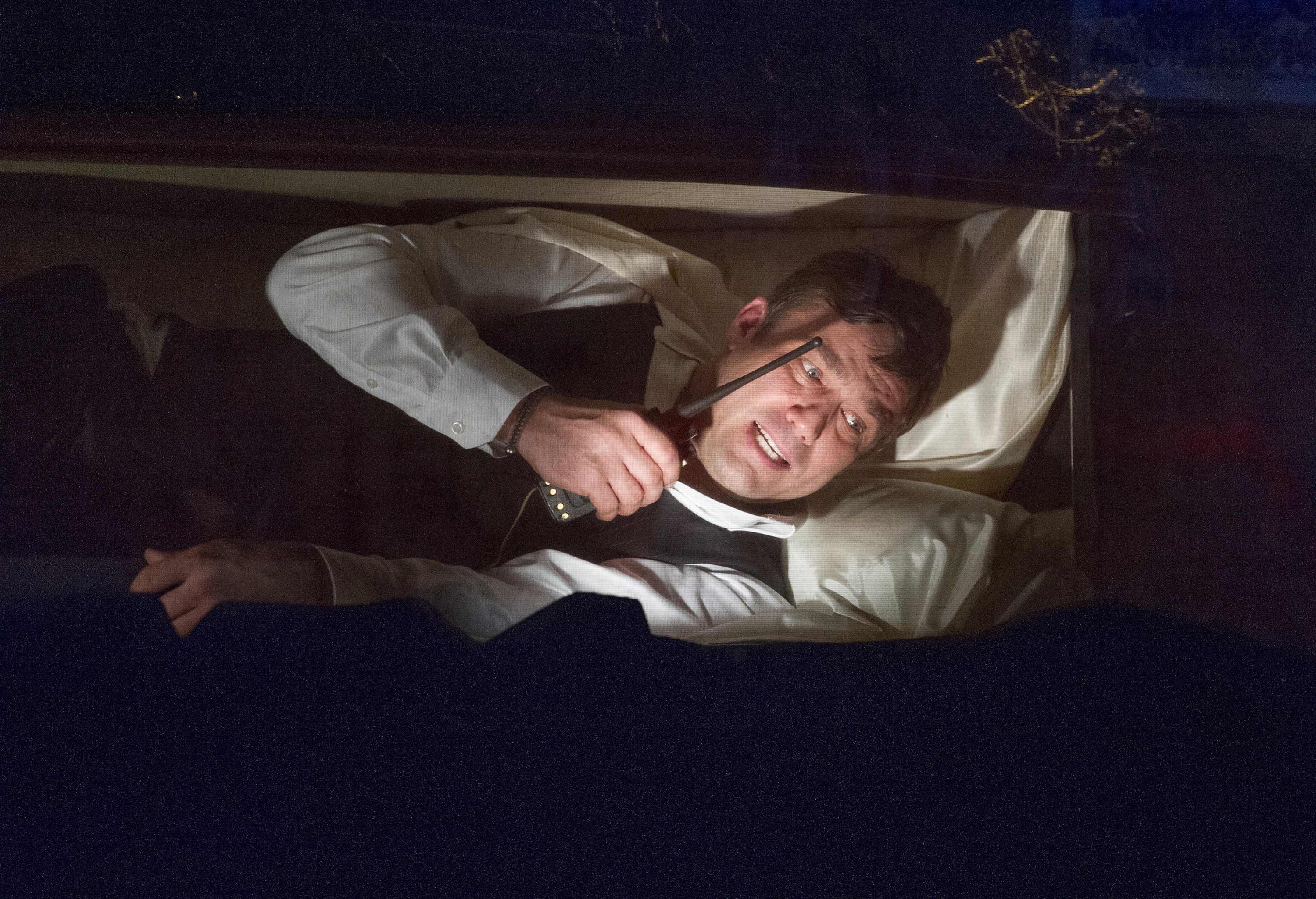
Michael Harrison thinks his life is perfect. He’s got a successful business, millions in the bank and a beautiful fiancée. But it turns out he’s also really bad at choosing his friends – and after a stag night prank goes disastrously wrong, Michael finds himself buried alive, with no immediate hope of rescue.

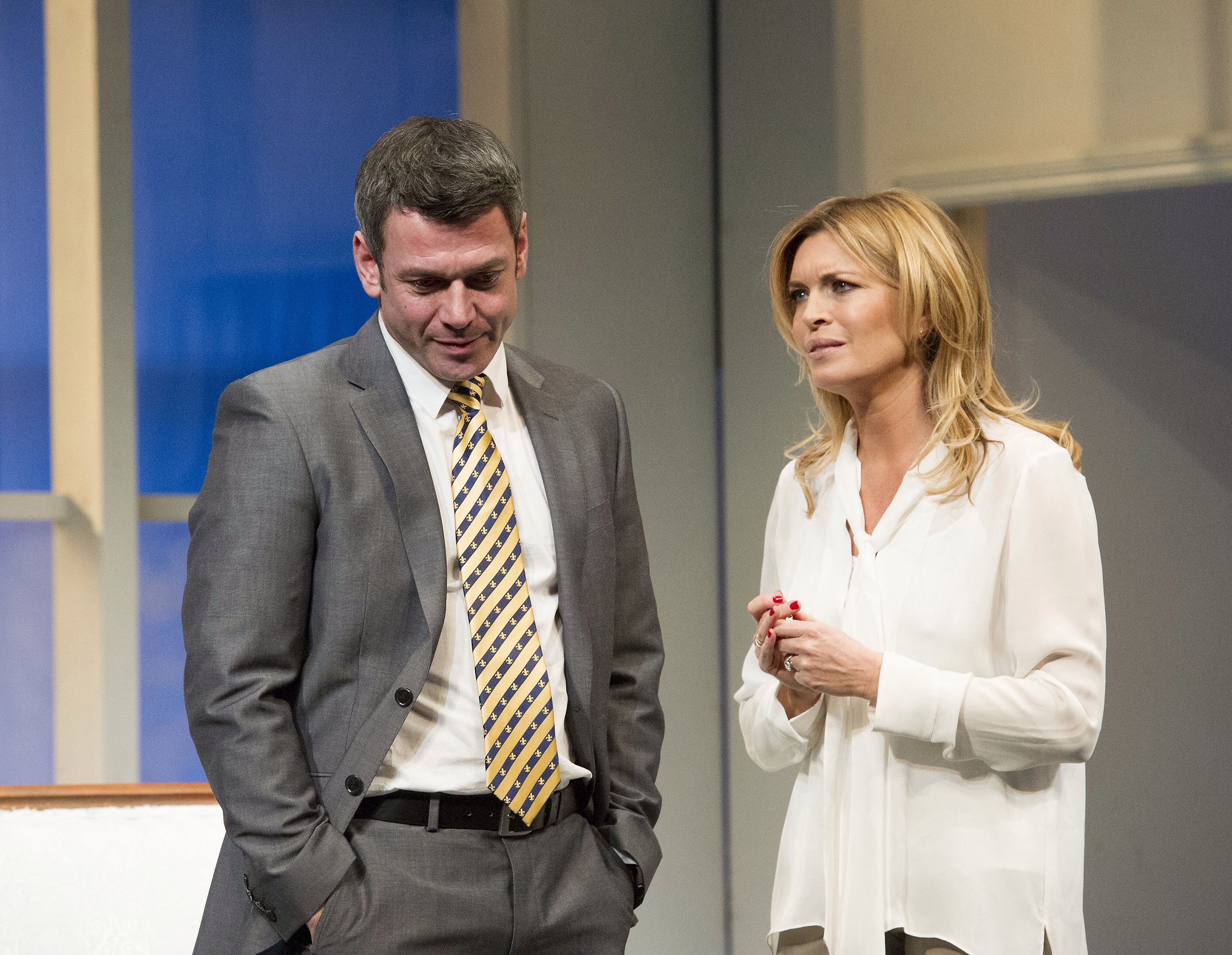
It’s the stuff of nightmares – and also the plot of Dead Simple, a novel by Peter James adapted for the stage and currently on tour around the UK. Former Hollyoaks actor Jamie Lomas stars as Michael, with Tina Hobley as his beautiful wife-to-be, Ashley, and Rik Makarem as his best friend and business partner, Mark. Meanwhile Gray O’Brien plays DS Roy Grace, the detective charged with finding Michael before it’s too late.

Dead Simple UK tour
Dead Simple is a carefully crafted thriller, full of twists and keeping the audience guessing at every turn. The play hits the perfect note for a wuss like me – chilling without being terrifying, and messing with your head rather than making you jump out of your skin.

It’s a brave move to try and condense such a complex story into two hours; act one does a great job of establishing the characters and plot, ending with a twist that will have you scratching your head and arguing about what just happened throughout the interval. This leaves the second act with a lot of work to do, and it has to move at breakneck speed to unravel the complicated story before the curtain falls. And so, unsurprisingly, there are a few gaps, not least in the character and back story of Roy Grace – but then, as Peter James’ novel is the first in a series featuring Grace, that was probably to be expected.

What the play lacks in realism and detail, though, it more than makes up for in entertainment and intrigue. In this regard it’s very much like a classic Agatha Christie, which you never for one moment believe could actually happen, but you have a great time watching it all the same. The scenes with Michael in the coffin are particularly well done; Jamie Lomas sounds genuinely petrified. And who knows, maybe he is – it can’t be much fun in there.

Dead Simple UK tour
Another challenge of staging such a complex story is all the locations it has to cover, but Michael Taylor’s multi-level set is more than up to the task, encompassing Michael’s living room, the forest where he’s buried, an underground dungeon and the road outside. We can even see into the coffin – whether we want to or not. Any gaps are filled by the special effects; the car crash scene is a particularly unnerving example of how the play works on your imagination.

The cast are clearly enjoying themselves with the intricate plot, and anticipating the audience’s reaction to each twist (I genuinely squeaked a couple of times; it’s hard not to). Lomas is a charismatic lead, even from inside a coffin, in contrast to Rik Makarem’s Mark, who may be physically free but is weakened by his own indecision. Meanwhile former Grange Hill actor Josh Brown makes an impressive theatrical debut as Davey, a young man obsessed with American crime shows, who inadvertently finds himself starring in one.

Dead Simple UK tour
This play is anything but Dead Simple – but a convoluted plot is saved by clever staging and a strong cast. It may not be great literature, but it’s good fun, and isn’t that what the theatre’s supposed to be about?

Dead Simple is at the Marlowe Theatre in Canterbury until Saturday 11th July, before concluding its UK tour in Worthing next week.