Review: Scripts for Supper at the London Cooking Project

When I was chatting to MasterChef semi-finalist Annie McKenzie last week about her new theatrical dining experience, Scripts for Supper, she told me it was about “feeding people, getting them drunk and telling them a good story”. This perfectly sums up the festivities last night (and again tonight) at the London Cooking Project in Battersea, where I think it’s fair to say an excellent time was had by all – and not only because the alcohol was flowing freely throughout.

I don’t mind admitting I was a bit nervous to be turning up solo – sitting by yourself in a dark theatre is one thing, going out for dinner is quite another. But those fears didn’t last long; after a warm welcome on the door, I was handed the first of many, many drinks and adopted on to a lovely table just in time to enjoy the delicious canapes.
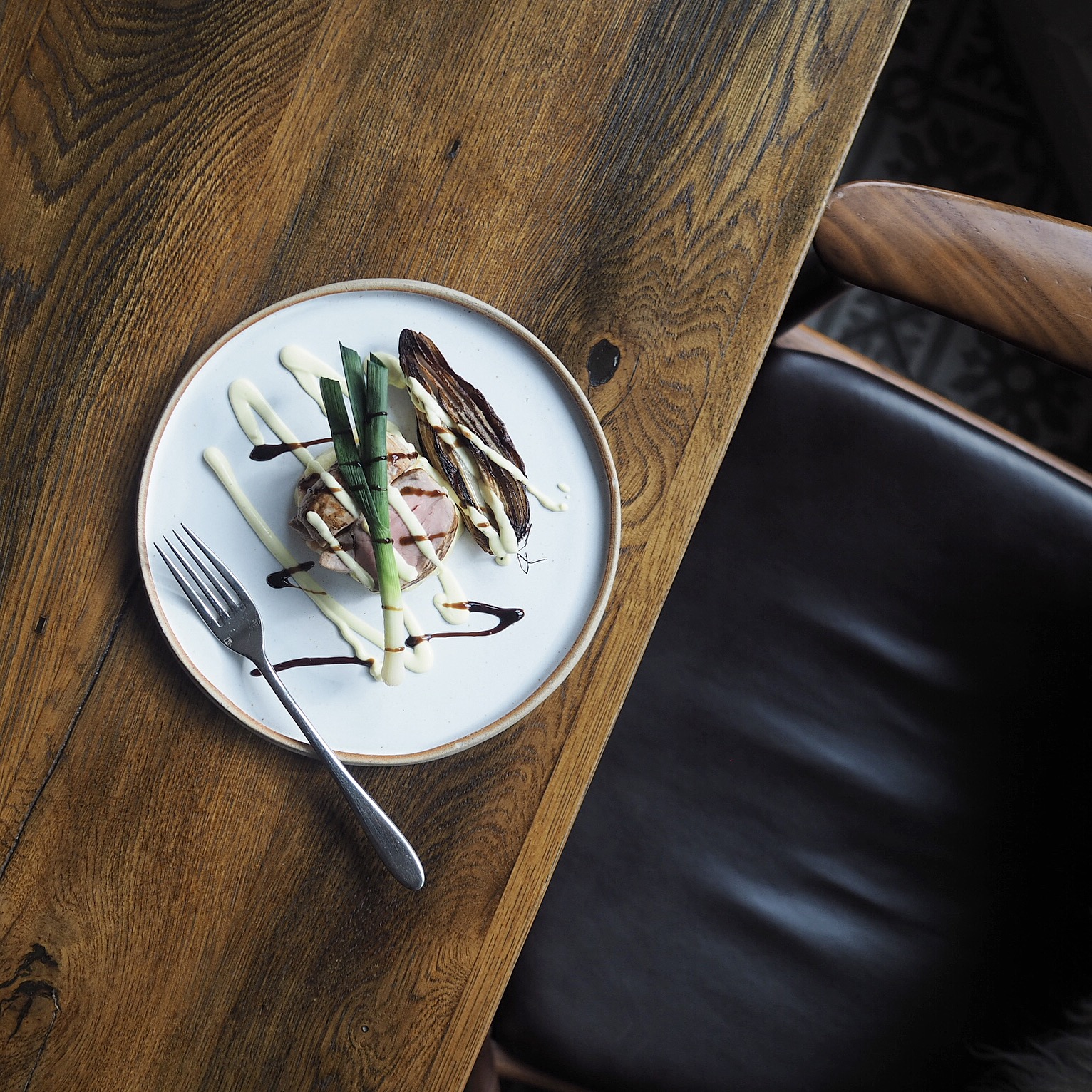
Photo credit: Milly Kenny-Ryder

Now, I’m no food critic (or indeed MasterChef judge) so you’ll have to forgive my uneducated terminology and just take my word for it that the Elizabethan inspired five course feast, prepared by Annie and sous chef Alice Devine, was incredible. As someone who can be a bit of a fussy eater, I ate everything that was put in front of me and would have happily gone back for seconds of all of it. It’s hard to choose a favourite – contenders include the cheese on toast starter and the pork with mustard, leeks and caramelised shallot main course, but I think the dessert – vanilla parfait with rhubarb and rosewater jelly and Shrewsbury mille feuille – just stole the crown for me. Every course was accompanied by a fresh drink: cocktail, white wine, red wine, ale, more wine… I doubt mine was the only sore head this morning, but it was totally worth it.

And as if all this wasn’t enough, there was also theatre, as between courses the cast took off their aprons and presented scenes from Twelfth Night for our entertainment. Directed by Alex Payne, this version wisely discards the complicated Malvolio side plot (as much as I love that bit, we’d still be there now if we’d tried to get through everything) and focuses solely on the central love triangle between Viola/Cesario (Clio Davies), Orsino (Damien Hughes) and Olivia (Alice Trow), with Sebastian making a brief but necessary appearance at the end in the form of a wooden spoon. So it’s less Twelfth Night and more the edited highlights, but with enough continuity – and a bit of helpful explanation – to keep track of what’s going on. There’s also musical accompaniment throughout the evening from Edo Elia, who drifted around the room chatting to the guests while his fellow cast members were serving, looking like he was having the best time ever.

Photo credit: Milly Kenny-Ryder

It really was a fabulous night – theatre, wine, good company and great food combining to create something pretty special. It’s also in a very unique venue; the London Cooking Project is a new private social enterprise hidden away in the middle of a housing estate in Battersea, with an open plan kitchen and dining area perfect for an intimate gathering like this one. Above all, the evening was a reminder that theatre doesn’t have to exist in its own little box, and is something that should be experienced and shared, not just seen.

Whether you’re a fan of food, drink, theatre, or all three, grab your tickets while you can for tonight – and here’s hoping there’ll be many more opportunities to check out Scripts for Supper in the future.


Can’t see the map on iPhone? Try turning your phone to landscape and that should sort it. I don’t know why but I’m working on it… 😉
Review: Thisbe at Gerry’s, Stratford East

It’s reassuring to learn I’m not the only one who finds the end of A Midsummer Night’s Dream vaguely unsatisfying. You know, the one where Demetrius wakes up inexplicably in love with Helena, despite having pursued Hermia all night, and nobody bats an eyelid. It may have seemed like a happy ending for all concerned, but to be honest I’ve always felt a bit bad for Helena, married to a man who only loves her because of a magic spell, rather than because of who she is.

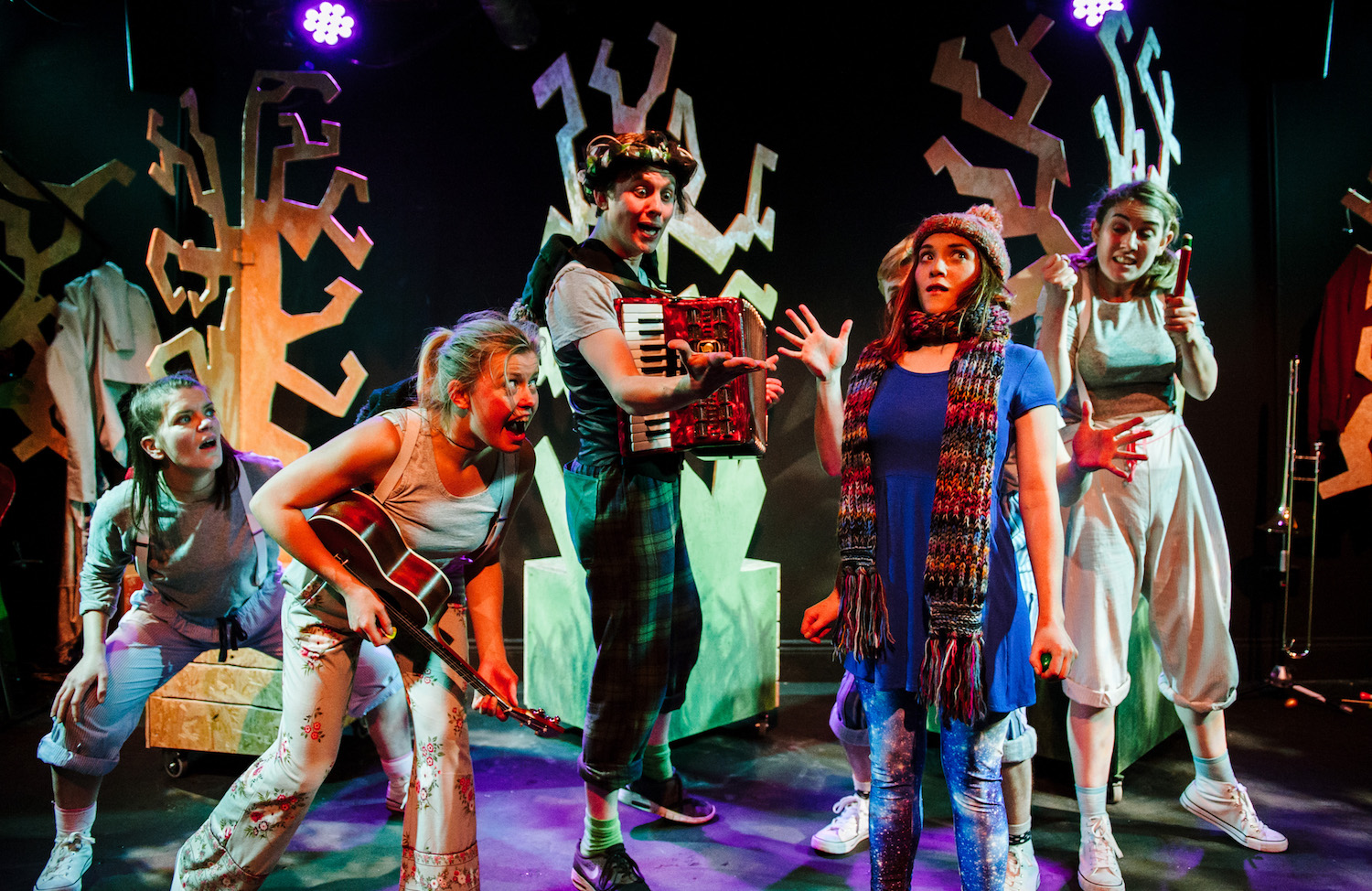
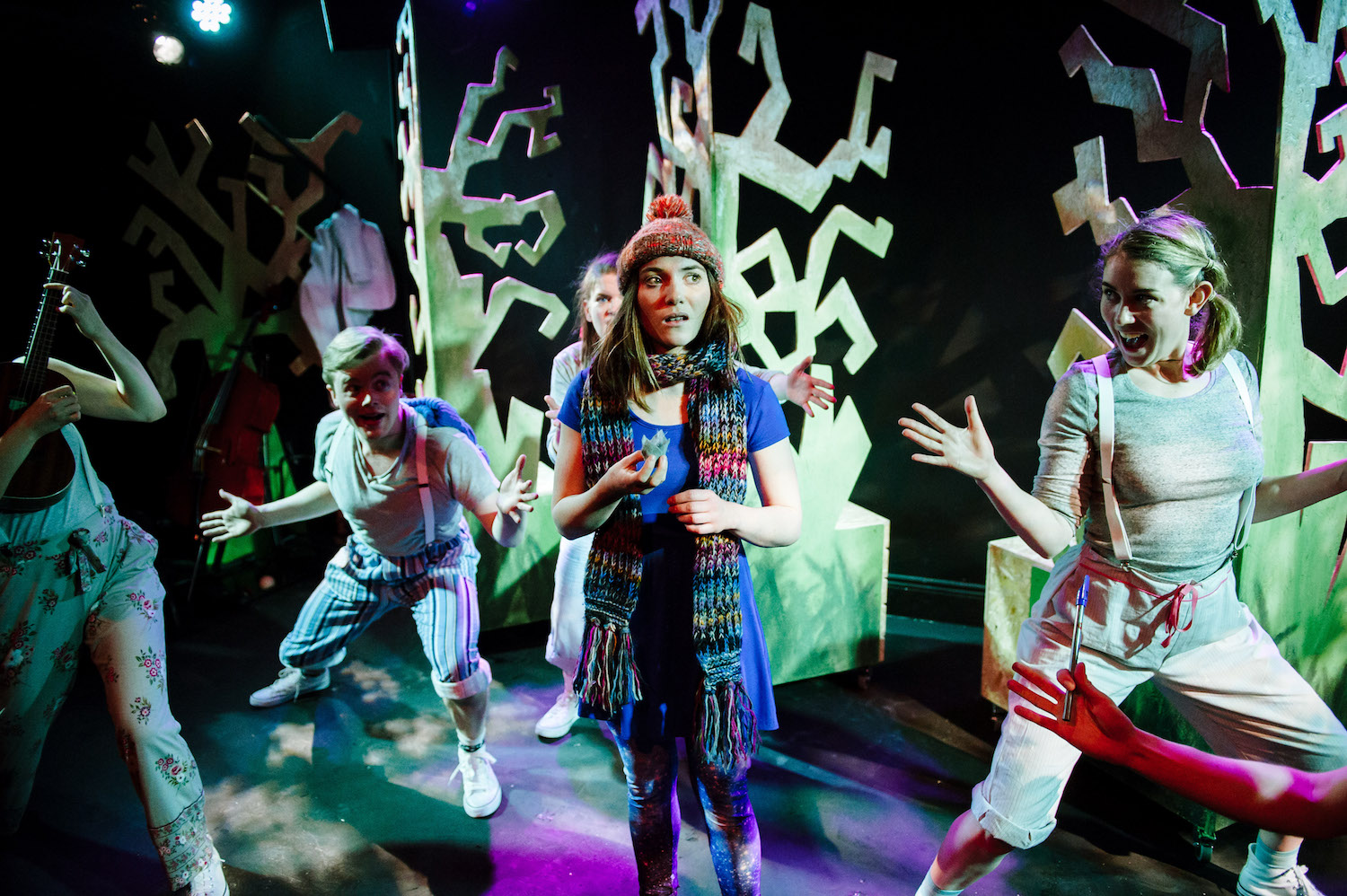
Door Ajar Theatre clearly had similar doubts, and so bring us Thisbe, a charming and very funny follow-up to Shakespeare’s comedy. Fourteen years have passed, and Demetrius and Helena’s teenage daughter Thisbe is tired of always coming second place to her mum in her dad’s affections. Desperate to know what happened all those years ago, she ventures into the woods, where she encounters Puck and his fairies – who have lost none of their appetite for chaos. But it turns out love is a much more complicated business than Thisbe realises, and suddenly it’s up to her to save her parents’ marriage… assuming she wants to, that is.

Photo credit: Alex Brenner

Directed by Roberta Zuric, the show transfers the action to a modern day setting, and is performed by a cast of six talented actor-musicians working together as a seamless ensemble. Rosalind Burt hits exactly the right note as Thisbe, a stroppy yet utterly relatable teenager – though her story may be one of magic, the emotions behind it are all too familiar. Joey Hickman is a hilarious Puck; no longer under Oberon’s thumb, he’s very much the boss in the woods these days, but there’s more than a little of the petulant child in him too.

Anne-Marie Piazza and David Osmond play Thisbe’s bemused parents, quoting Shakespeare in moments of high tension, and – in one of my favourite scenes – regressing fourteen years and getting into a fight with an equally bewildered Hermia (played by the show’s writer, Samantha Sutherland). Meanwhile, the show is BSL interpreted by Jennifer Wilson, who also narrates and plays one of the conflicting voices in Thisbe’s head; and because she’s not only there to sign but as an active member of the cast, the BSL feels very naturally integrated and is a welcome addition to the show rather than a distraction.

At just 75 minutes, the show moves very fast, with cast members switching roles in the blink of an eye (and the change of a hat), playing a variety of instruments – not just on the catchy, toe-tapping musical numbers, but to create sound effects too – and constantly rearranging the set as the action changes location. This is a very physical show, which requires its cast to be on the move (and in the right place) throughout, and they all throw themselves energetically into the action without missing a beat.

Photo credit: Alex Brenner

There are, as you might expect, plenty of witty and well-placed references to A Midsummer Night’s Dream, but the plot of Thisbe necessarily allows for a handy synopsis – “what happened in the woods…?” – so that any audience members who might not be aware of the characters’ backstory don’t miss out.

I don’t know if Thisbe is the sequel Shakespeare would have come up with, but it certainly answers a few of my questions – and it’s also a really entertaining story in its own right. Funny, relevant and beautifully performed, this is an exciting debut from Door Ajar Theatre; let’s hope we see a lot more of them in the future.


Can’t see the map on iPhone? Try turning your phone to landscape and that should sort it. I don’t know why but I’m working on it… 😉

Review: Herstory at Theatre N16

Following the recent Women’s Marches across the globe, Piers Morgan took to Twitter to complain about “the creeping global emasculation of my gender by rabid feminists” – thereby revealing his ignorance of not only what the marches were all about, but more broadly what feminism even is. But unfortunately, he’s not alone in thinking that being a feminist must necessarily mean that you’re anti-men.

Maybe Piers and co should get themselves down to Theatre N16 in Balham some time and check out the Herstory feminist theatre festival. If they did, they’d find not a horde of hysterical women screaming at an audience of cowering males, but a room buzzing with mutual support and a passionate desire to make a positive change.

c48dvlwwiaersfw

Which is not to say there isn’t anger too; in fact it was anger that inspired Nastazja Somers to start Herstory last year, to say to the theatre industry and society in general, “We’ve had enough.” But Herstory channels that rage into promoting women, not tearing down men – and it does so through a varied programme of topical and courageous work. The first of two nights at Herstory 3 featured eight such pieces, the majority of them solo performances, each representing the female voice on issues including politics, race, dating and mental health.

Not surprisingly, some of the work featured made difficult viewing. In the haunting Promise by Sarah Milton, an occasion that should be joyful – the birth of a baby – is revealed in fact to be a dark tale of child exploitation. All the Colours by Davina Cole is a heartbreaking story of a mother’s struggle to support herself and her son after fleeing the war in Sierra Leone to seek refuge in the UK. Donald Trump makes a (perhaps inevitable, and you can guess in what context) appearance in Grab by Pussy Patrons, and Isabelle Stokes’ Imprints concludes with a graphic account of sexual assault, powerfully performed by Francesca Burgoyne.

There’s a lot of laughter too, though – whether it’s at Sophia Del Pizzo’s fluctuating accent in Assmonkey: In Conversation, Julie Cheung-Inhin’s patient explanation of the geography of East Asia in No More Lotus Flower, or the anxious attempts of Katie Arnstein to write a feminist anthem in Bicycles and Fish: A Girl’s Guide to Feminism. Yet even these stories are shot through with frustration and emotion, as they tackle the devastating impact of anxiety and social pressures on young women, the racial stereotyping faced by actors of East Asian descent, and the shame of a young waitress forced by her manager to ask a breastfeeding mother to leave.

Amidst all this hurt and anger, Julie Vallortigara’s Welcome Home, a movement-based call for authenticity and self-expression, shone like a beacon of hope, summing up beautifully what the festival is all about. And despite the difficult topics explored across the course of the evening, the overwhelming mood as we made our exit was one of optimism. There are many challenges that are and will continue to be faced by women across the globe, but Herstory and its contributors are facing those challenges head on – and the sell-out audience and enthusiastic response to every single performance prove they’re not alone. Sorry, Piers.

Follow @HerstoryN16 on Twitter for details of future festivals.


Can’t see the map on iPhone? Try turning your phone to landscape and that should sort it. I don’t know why but I’m working on it… 😉

Review: La Ronde at The Bunker Theatre

Max Gill’s adaptation of La Ronde by Arthur Schnitzler launches the second season at The Bunker, and it’s already causing quite a stir. Partly this is down to the star cast, but it’s fair to say the major draw of this production is its unique and fascinating format.

Four actors – Lauren Samuels, Amanda Wilkin, Alex Vlahos and Leemore Marrett Jr – play between them ten gender-neutral characters. There are ten scenes, each featuring two of the actors. But who appears in which scene is entirely down to fate, and decided by the slow, deadly spin of a roulette wheel. Altogether, there are over 3,000 possible different versions of the show, so it’s no surprise that it cries out for multiple viewings. Fortunately, it’s also entertaining enough to ensure that wouldn’t be a chore.

Photo credit: Ray Burmiston
The use of a roulette wheel is appropriate, because La Ronde is a risky enterprise in more ways than one. Firstly, there’s the danger that one of the actors might find themselves repeatedly out of the loop; I saw very little of Amanda Wilkin until the comparatively short final two scenes, which she appeared in by default. (On the other hand, the mounting suspense of waiting to see if she would finally get her moment meant we never got bored of watching the wheel spin every few minutes.)

The format is also incredibly demanding for the actors, who have to learn every part and really think on their feet – but this outstanding cast have more than risen to the challenge. Every individual performance is confident and believable, as are the relationships between the different pairings, regardless of gender combination.

The overarching theme of the play is sex, and there’s some form of sexual encounter in every scene, whether consummated or not (which prompts the interesting question, what even counts as a sexual encounter; where do we draw the line?). Some are illicit, many unsatisfying, others quite poignant… And all of them are unseen, because the stage is plunged into darkness at the critical moment – an interesting choice that suggests the deed itself may not be quite as critical as what leads up to it, or what happens afterwards.

The script is necessarily gender-neutral, which creates a few awkward moments and rather excessive use of the characters’ (unisex) names, but on the whole flows more naturally than I expected. The different combinations of male and female force us to examine our own expectations about gender roles within sexual relationships and society as a whole. Questions of power, vulnerability, even career stereotypes (why should a female bus driver or a male cleaner be any more unusual than the opposite?) are all eloquently addressed, without labouring the point; the scenarios are unfolded before us and we’re left to consider our own response.

Photo credit: Ray Burmiston
The modern setting and individual scenes are the work of writer/director Max Gill, inspired by stories he collected over several months from Londoners – snippets of which we hear during the transitions between scenes. But the structure of the play comes from Schnitzler, and is just as enthralling. Each character appears in only two consecutive scenes, with the first actor selected by the wheel returning at the play’s conclusion to close the circle. So within this big loop are lots of little ones, all linked both directly to their neighbours, and also indirectly, with events and characters referenced from earlier scenes. (Weirdly, the pattern reminded me a bit of that magic roundabout in Hemel Hempstead – which is not something I ever thought I’d write in a theatre review, and is honestly a lot more flattering than it sounds.)

The biggest disappointment of La Ronde, for me, is that I probably won’t have time to see it again and compare last night’s version with another – and so in a way, I feel like I can only half appreciate how clever the show is. But that’s really a compliment; this is an original and endlessly fascinating idea, brilliantly executed by both cast and creatives. It’s not without its risks… but I’d say this particular spin of the wheel is a winner.

Additional note on 7th March:

As it happens, I did get a chance to see La Ronde again, a few days ago, and it was just as interesting as I suspected it would be. With the exception of one scene, every pairing was different to the last time, and in one case involved the same people but in opposite roles. And though the script was familiar, the different combinations – not only of gender but of personality and style, too – made it into a brand new story. Some scenes were funnier than before; others much more emotional. Some characters were more likeable; others harder to relate to. And though the sexual encounters were the same in location and circumstance, the responses to them were different – not because, for instance, it was between a man and a woman instead of two men, but because it was between two unique human beings.

There’s something slightly addictive about La Ronde; having been twice I now want to go again (and again). It’s a show of – almost – infinite possibilities, and one that you sense will remain constantly fresh and exciting, for audience and actors alike.


Can’t see the map on iPhone? Try turning your phone to landscape and that should sort it. I don’t know why but I’m working on it… 😉

Review: The Full Monty at the Orchard Theatre

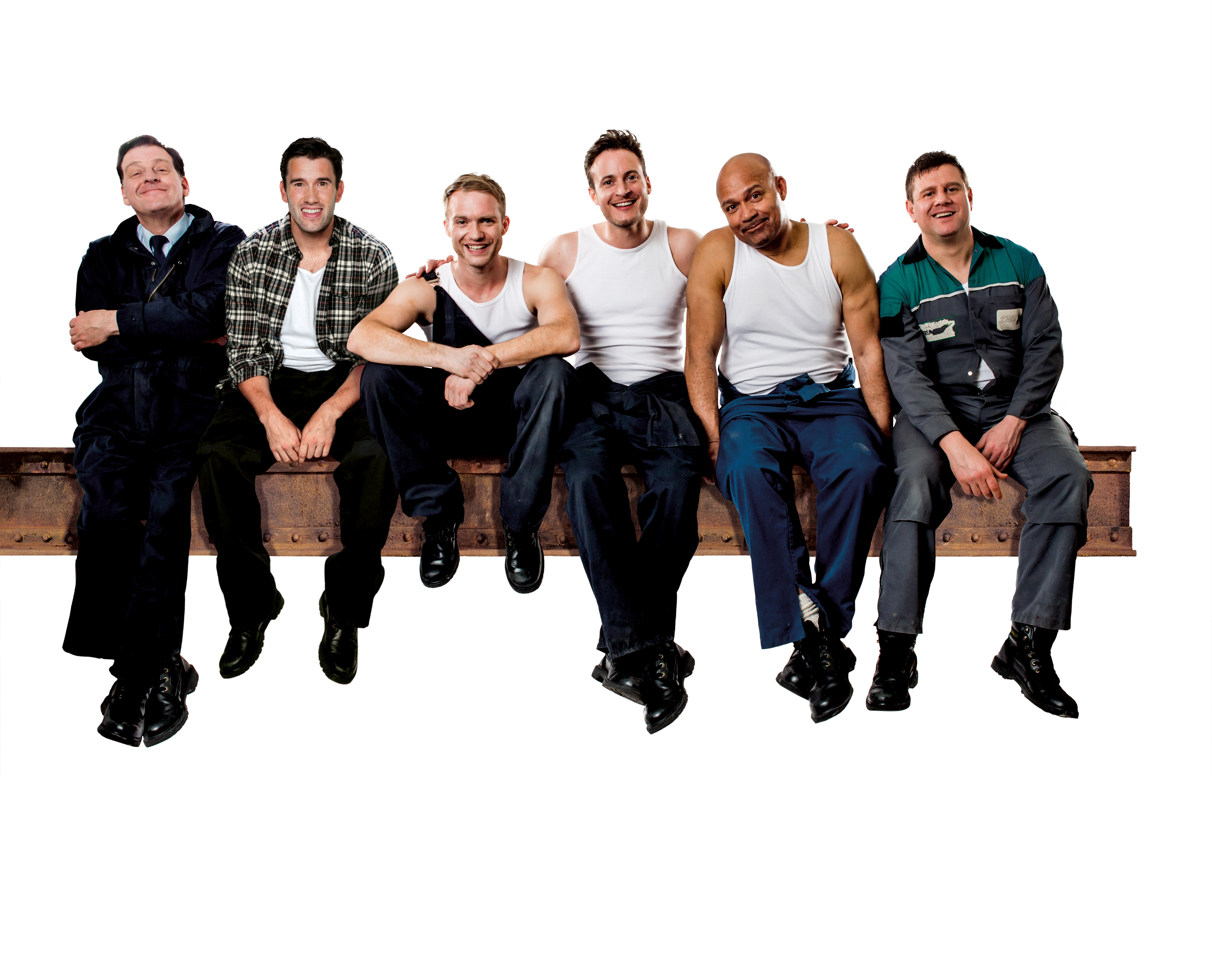
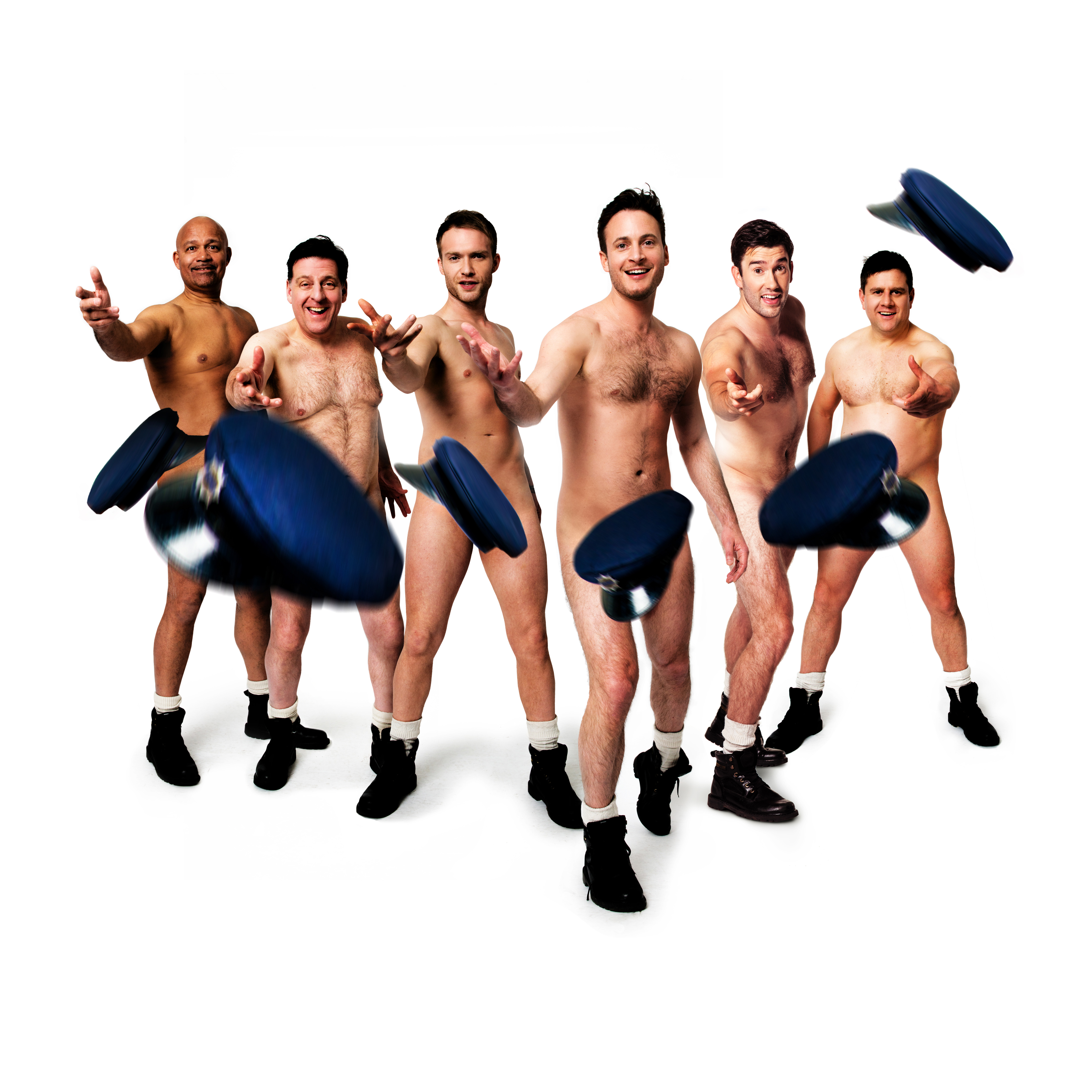
Incredibly, this year it’s two decades since The Full Monty first hit the big screen. Now it’s arrived on stage, and is being greeted with all the hysterical screaming you might expect. But Bums of Steel and dodgy thongs aside, the adapted stage version also retains all the heart and humour of the classic British movie, and the final reveal (so to speak) is well worth the wait.

Set in Sheffield in the 80s, this is the story of Gaz, Dave and their mates, who find themselves out of work and down on their luck – until the Chippendales come to town, and give Gaz a brainwave… With all the Dad dancing, classic tunes and inappropriate behaviour you could wish for, the play, like the movie before it, also brings its brusque Northern sense of humour to some pretty weighty issues including politics, mental health, family, body image and sexuality.

Photo credit: Matt Crockett

Now, with all due respect to Robert Carlyle et al, the cast for the stage version of The Full Monty is considerably better looking than I remember from the movie. But former soap hunks Gary Lucy, Chris Fountain and Anthony Lewis aren’t just here for eye candy, (though they certainly tick that particular box) and deliver some sensitive performances, along with their fellow troupe members Andrew Dunn, Louis Emerick and Kai Owen. In fact in amongst the mayhem there are some really touching scenes, particularly between Gaz (Gary Lucy) and his son Nathan (Reiss Ward), and between the depressed Lomper (Anthony Lewis) and happy-go-lucky Guy (Chris Fountain). Despite everything they’re going through, what makes this story so enjoyable is the relationships between the characters, and this cast have great chemistry throughout. Just one minor gripe: it might have been the angle or the accents, but I found it sometimes quite hard to catch all the dialogue, and judging by the lively audience response, missed a few of the best lines.

Photo credit: Matt Crockett

Adapted by original screenwriter Simon Beaufoy, the show includes all the classic scenes (queue dancing, anyone?), which adapt really well for the stage and help to whip the audience up into a frenzy of expectation. And we’re still able to travel all over Sheffield thanks to Robert Jones’ multi-functional set, which with a quick change of props, lighting and backdrop becomes derelict factory, working men’s club, job centre and more.

The Full Monty is a fun night out, whether you’ve seen the movie before or you’re a first-timer. Expect plenty of bawdy humour alongside some more introspective moments, and of course the explosive finale, which is everything we wanted it to be. This is hen party theatre at its finest – but there’s substance as well as style here, and the resulting show is satisfying in more ways than one.

The Full Monty is at the Orchard Theatre until 18th February.